If you're experimenting with infusing your own edibles, you might have asked yourself: Can I simply stir CBD tincture into melted chocolate and call it a day? As someone who's spent over a decade in food and beverage labs, I hear this question a lot. The short answer is: Yes, but with caveats.
In this post, I’ll break down the science behind cannabinoids’ fat-loving nature, why tinctures often fail in watery drinks, and what you can realistically expect when stirring CBD tincture into chocolate — especially if you don't want to dive into complex emulsification techniques.
Understanding the Science: Cannabinoids Are Lipophilic (Fat-Loving)
Cannabidiol (CBD) and other cannabinoids are lipophilic molecules. This simply means they dissolve well in fats and oils, but not in water.
When you add a CBD tincture made from an alcohol or MCT oil base into fatty substances like butter or olive oil, the cannabinoids bind to those fats effectively. This helps with both stability and bioavailability — the proportion your body can absorb when ingested.
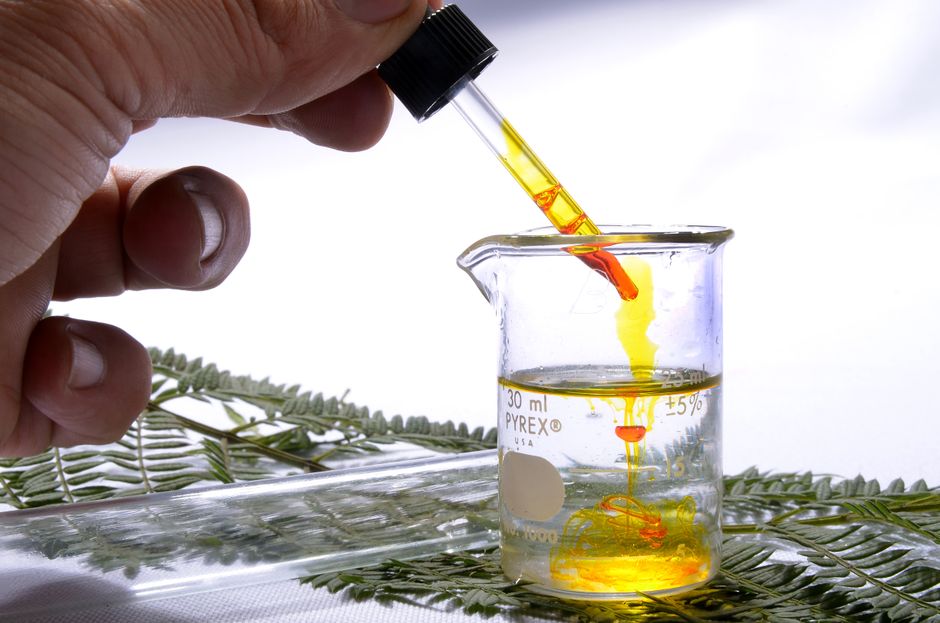
Let's do quick "mg math": Suppose you have a 30 ml tincture bottle labeled 600 mg of CBD—that’s 600 mg/30 ml = 20 mg per ml. If a recipe calls for 5 ml tincture stirred into 100 grams of melted dark chocolate (which contains around 35–40% cocoa butter), those 100 grams have about 30–40 grams of fat. The CBD content per edible piece will be consistent if the cannabinoids stay properly dispersed in the fat.
Why Does Fat Matter for CBD in Chocolate?
Chocolate naturally contains cocoa butter, a fat rich in triglycerides, making it an ideal carrier for cannabinoids. When you stir CBD tincture into melted chocolate, the fat molecules help absorb and stabilize the CBD oil, allowing for even distribution if done right.
Using additional fats—like butter or olive oil, both common fat carriers—can boost cannabinoid solubility and make your infusion process more foolproof. For instance:
- Olive Oil: A heart-healthy fat option that blends well with cannabinoids but may alter flavor slightly. Butter: Known for its creamy texture, butter offers excellent fat content and mellow taste.
Why CBD Tinctures Fail in Clear Cold Drinks (and Why That's Not Your Problem in Chocolate)
One hallmark of simple CBD tinctures—whether from Joy Organics with USDA certified organic bases or other reputable brands—is that their cannabinoids remain separated in water environments, causing cloudy, uneven dispersions and a very "off" mouthfeel.
In watery beverages, the lipophilic cannabinoids simply do not mix well and often float on top or separate entirely, making the drink unappetizing and dosing inconsistent. That's why products formulated as water-soluble or nanoemulsified CBD are preferred for beverages—they employ emulsifiers and technology to keep https://www.ediblela.com/cooking-and-mixing-with-cbd-what-actually-works cannabinoids evenly suspended.
But chocolate is not a watery beverage. Its fat content naturally binds cannabinoids, so you bypass that problem altogether if you stir tincture into melted, fat-rich chocolate.
Emulsifiers: Why They Matter and When to Use Them in CBD-Chocolate
If you want your infused chocolate to have a perfectly smooth texture and stable CBD dispersion, commercial chocolatiers and edible manufacturers often use emulsifiers like:
- Gum Arabic: Helps stabilize oil-in-water emulsions, making it common for beverages and syrups. Lecithin: A natural emulsifier derived from soy or sunflower seeds; excellent for binding fats and oils in chocolate and other fat-based confections.
That said, for home kitchen practice, especially when you are working with relatively small batches of melted chocolate and a modest amount of tincture, lecithin can be an easy add-on to improve uniformity.
Splitting vs. Staying Emulsified: A Tiny Notebook Entry
From my years of hands-on experimentation, here are quick notes:
- Add tincture directly to the fat: Good dispersion, minimal separation. Stir tincture into water-containing chocolate mixtures without emulsifier: Separation and grainy texture. Add lecithin (typically ~0.5%–1% of total fat weight): Smoother texture, better cannabinoid stability.
Can You Just Stir CBD Tincture Into Melted Chocolate? The Practical Takeaway
Yes, you can—and it works better than many other DIY approaches that ignore the fat-loving nature of cannabinoids.
Here’s a simple step-by-step summary for home infusion:
Gently melt your quality chocolate over a double boiler. If desired, melt a small amount of unsalted butter or stir in a teaspoon of olive oil to add fat volume. Measure your CBD tincture carefully. (Remember, 1 ml typically = 20 mg CBD with Joy Organics tinctures.) Slowly stir the tincture into the melted chocolate/fat mixture, mixing thoroughly but gently. Pour into molds or onto parchment paper, allowing the chocolate to set.Since chocolate is already fat-rich, you don’t need any special equipment or micro-emulsification techniques, just good stirring to ensure even cannabinoid distribution.
What About Water-Soluble or Nanoemulsified CBD Products? Should You Mix Those Into Chocolate?
Water-soluble or nanoemulsified CBD products are specially processed to disperse evenly in watery environments. They're fantastic for beverages and shots but often contain additional emulsifying agents and preservatives that may affect the flavor and texture of chocolate.

If you try to mix a water-soluble product into chocolate, you might notice:
- Texture issues (graininess or separation) Off-flavors due to stabilizers Less stable cannabinoid binding (CBD might separate during cooling)
Stick with oil- or alcohol-based tinctures like those from Joy Organics when working with chocolate for the cleanest, tastiest, and most consistent results.
Common Pitfalls: What Fails in the Real World and How to Avoid It
- Overheating: Over 40°C (104°F), cannabinoids and terpenes can degrade or volatilize, leading to weaker potency and burnt flavors. Melt chocolate at low med heat or double boiler consistently. Using “a dropperful” as dosing: Be skeptical of vague dosing. Know your mg per ml and calculate servings carefully to ensure consistent dosing. Ignoring the fat content in recipes: Adding tincture to chocolates with reduced fat content or in water-based recipes fails to bind cannabinoids well. Either add fat or temper expectations on cannabinoid retention.
Summary Table: CBD Tincture in Chocolate Infusion Basics
Factor Effect on Infused Chocolate Best Practice Cannabinoids are lipophilic Bind well to fat (cocoa butter, olive oil, butter) Use fat-rich bases for even dispersion Adding tincture to melted chocolate Effective CBD incorporation without special techniques Stir slowly and evenly; control heat Water content in chocolate mix Can cause separation/graininess Minimize water or add lecithin emulsifier Use of emulsifiers (lecithin, gum arabic) Improves texture and cannabinoid stability Add lecithin at 0.5–1% fat weight Water-soluble/nano CBD Better for drinks, may cause off texture/flavor in chocolate Stick to oil-based tinctures for chocolateFinal Thoughts
While many recipes and online posts overcomplicate CBD infusions, chocolate’s natural fat content lets you keep it simple. Using a high-quality, USDA certified organic tincture like those from Joy Organics paired with a good quality chocolate and optional fat boosters like butter or olive oil means you can just stir into chocolate and get a consistent, easily dosed, and delicious product.
Just remember: measure your doses carefully, control your heat to preserve cannabinoids, and if you want even smoother texture, a touch of lecithin can go a long way. Otherwise, no need to fret over fancy nanoemulsions or fancy emulsifier blends. Fat binds cannabinoids—you’ve got the core chemistry on your side.
Enjoy your DIY CBD chocolates, and next time someone asks if you need special technique? Now you have the science-backed answer!